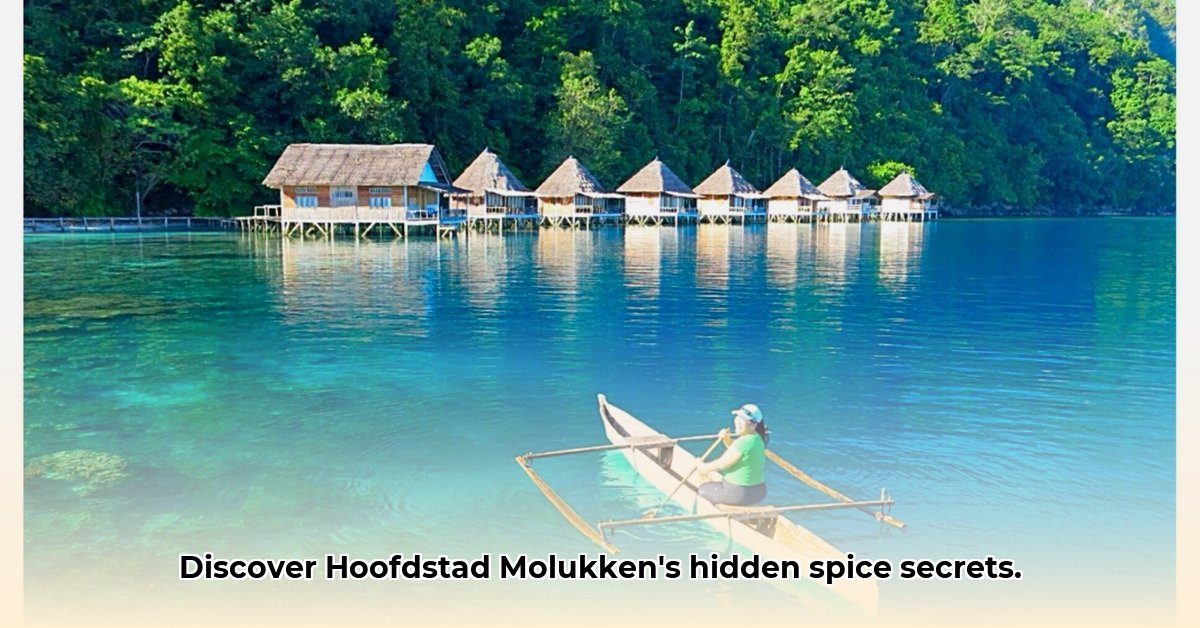
Ever caught the intoxicating aroma of freshly ground nutmeg or cloves? That scent might just transport you to the Moluccas, a stunning Indonesian archipelago with a history as rich and complex as its famed spices. More than just a spice-producing region, the Moluccas have been a battleground of empires, a melting pot of cultures, and a site of enduring struggles for self-determination. This article explores the Moluccas' journey, from its pre-colonial past to its present-day challenges, highlighting the pivotal role of Hoofdstad Molukken (the Moluccan capital city) in this captivating narrative. We'll uncover the stories of those who shaped its destiny and examine the pathway to a brighter future for this exceptional region.
Hoofdstad Molukken: A Crossroads of History
Imagine a place where the very air is infused with the fragrance of cloves and nutmeg, where ancient stones whisper tales of bygone empires, and where the echoes of colonial rule clash with the aspirations of a people striving for self-determination. That place is the Moluccas, and the story of its capital city, Hoofdstad Molukken, is intrinsically woven into this rich, often turbulent history. But where exactly was Hoofdstad Molukken situated, and what insights does its story offer into the Moluccas' past?
Pre-Colonial Moluccas: A Realm of Spices and Kingdoms
Long before European ships arrived, the Moluccas were home to a vibrant network of kingdoms and sultanates. These were not merely isolated villages but sophisticated societies with intricate social structures, extensive trade networks, and unique cultural identities. Archaeological discoveries and oral histories, often fragmented and sometimes conflicting, offer glimpses into their lives. Picture bustling marketplaces overflowing with the aromatic spices of cloves, nutmeg, and mace – a hub of trade that exchanged not only goods but also ideas and cultural practices. This was a vibrant world, rich and complex, even before outside forces arrived to reshape its destiny. Did this pre-colonial prosperity influence the later development of Hoofdstad Molukken?
The Spice Race: A Clash of Empires
The 16th century saw a dramatic transformation. The captivating aroma of Moluccan spices attracted a new kind of visitor: European explorers. The Portuguese were the first to arrive, quickly followed by the Spanish, English, and finally, the dominant force: the Dutch. Each arrival ignited clashes of cultures and ambitions, shifting the power dynamics within this spice-rich archipelago. It was more than mere trade; it was a struggle for control of this lucrative commodity – a struggle that frequently came at the expense of the local population. While some historians highlight instances of cultural exchange, it’s undeniable that this period was a time of significant upheaval and exploitation for many Moluccans. The true narrative is likely far more nuanced, extending beyond a simple tale of oppression. How did the arrival of these European powers affect the location and function of Hoofdstad Molukken?
The Dutch East India Company (VOC): A Ruthless Monopoly
The Dutch East India Company (VOC) established a firm grip over the Moluccan spice trade. They ruthlessly enforced their monopoly, suppressing local rulers and imposing systems designed to maximise profits. For many Moluccans, this era was undoubtedly difficult. The VOC's influence indelibly reshaped the islands' political and economic landscape, creating changes that resonate even today. Yet, it is equally important to recognise the resilience of the Moluccan people, their capacity for adaptation, and their ongoing efforts to preserve cultural traditions and identities even under colonial rule. How might the VOC's policies have specifically impacted Hoofdstad Molukken's development and status?
Independence and Beyond: A Continuing Struggle
The 20th century witnessed Indonesia's fight for independence from Dutch colonial rule. The Moluccas, as part of the wider archipelago, eventually gained freedom. However, this did not mark an end to conflict. The Republic of the South Moluccas (RMS) movement emerged, advocating for independence from Indonesia. This highlights the ongoing struggle for self-determination and autonomy that continues to shape the islands' identity and political landscape. The legacy of colonial rule and the complex issues surrounding independence remain central to understanding the Moluccas today. What is the ongoing significance of the RMS movement in shaping Moluccan identity?
Hoofdstad Molukken: A Symbol of Resilience
Whether or not its exact location and historical significance have been fully and definitively established, Hoofdstad Molukken serves as a powerful symbol of the Moluccan experience. It represents a potent nexus of spice trade, colonial encounters, and the enduring quest for self-identity. Further research into Hoofdstad Molukken’s origins, evolution, and ultimate fate would provide crucial insights into the shaping of the region, allowing us to peel back the layers of its historical narrative.
The Moluccas Today: Challenges and Opportunities
The Moluccas face various challenges today, including deep-seated economic inequalities, environmental threats to their delicate ecosystem, and the lingering wounds of past conflicts. However, amid these difficulties lie substantial opportunities. Sustainable tourism, carefully managed to benefit local communities, could be a key driver of economic growth. Preserving the islands' unique cultural heritage – a rich tapestry of art, music, and traditions – is equally crucial.
A Collaborative Future: Building a Brighter Tomorrow
Forging a sustainable and flourishing future for the Moluccas calls for collaborative efforts. This requires the Indonesian government investing in infrastructure and national reconciliation programs; international organizations supporting conservation and community development; and local communities actively participating in this process. Respecting diverse cultures and acknowledging past grievances are fundamental to this endeavour. Academic researchers also play a critical role in uncovering further details of the Moluccan past-including the history of Hoofdstad Molukken- facilitating open dialogue and fostering a deeper understanding of this fascinating region.
Key Takeaways:
- The Moluccas' history is deeply intertwined with the global spice trade and the impact of colonialism.
- Hoofdstad Molukken, though its precise location and significance may require further research, serves as a potent symbol of this complex history.
- The region faces modern-day challenges, but also possesses significant opportunities for sustainable development.
- A collaborative approach involving various stakeholders is essential to securing a brighter future for the Moluccas.